

Depression is a complex condition that affects millions of people worldwide. While traditional treatments like therapy and medication are essential components of managing depression, recent research has shown that diet also plays a significant role in mental health. The food we eat can directly influence our brain chemistry, emotional well-being, and overall mental health. In this article, we’ll explore how nutrition can impact depression and offer tips for incorporating mood-boosting foods into your daily routine.
The Connection Between Diet and Depression
Recent studies have highlighted the importance of diet in managing and potentially improving depression symptoms. Diets rich in whole foods, such as fruits, vegetables, whole grains, lean proteins, and healthy fats, are linked to improved mood and mental clarity. On the other hand, diets high in processed foods, sugars, and unhealthy fats can contribute to the worsening of depressive symptoms.
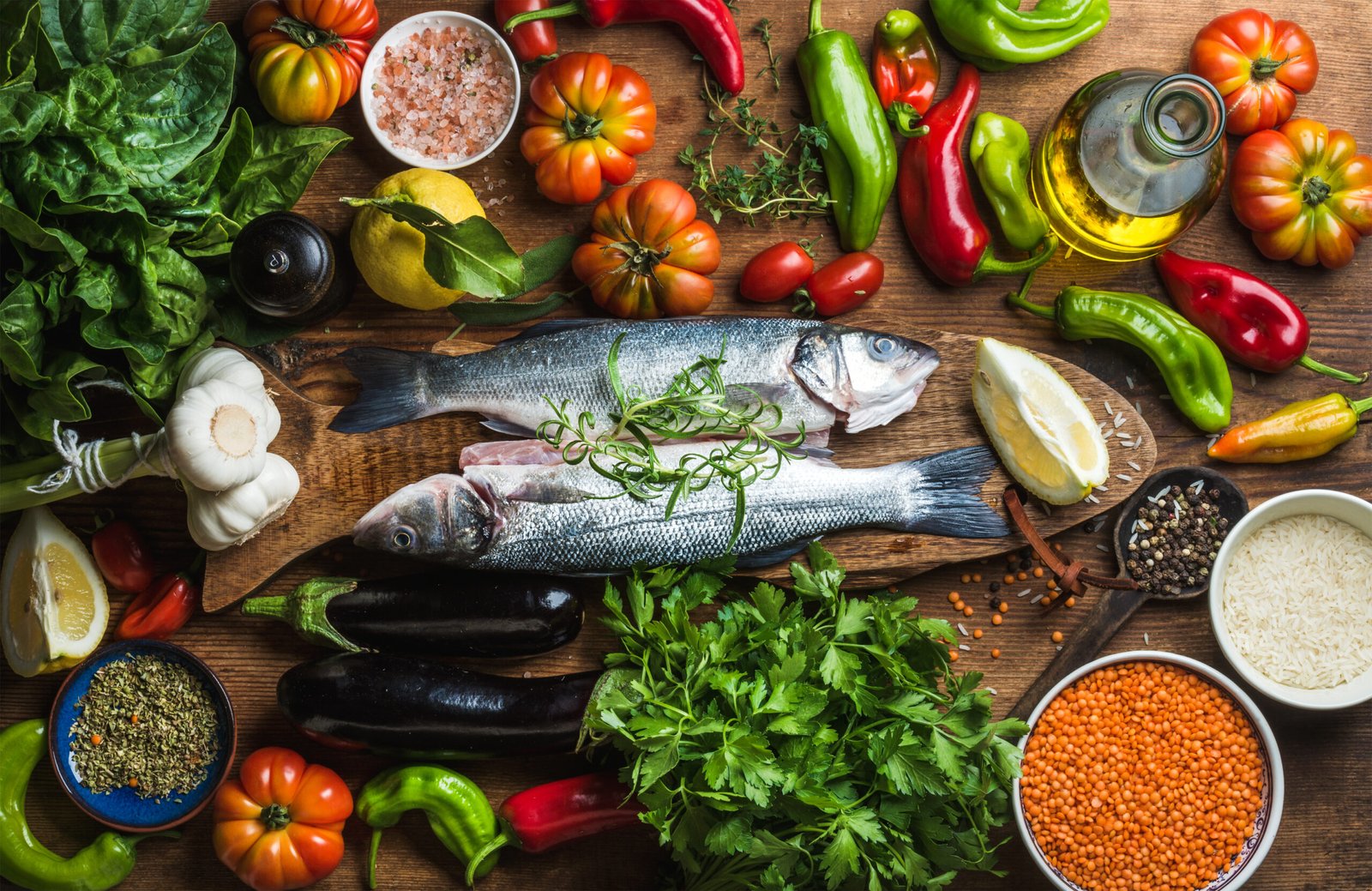
A study from the University of Technology Sydney found that young men aged 18-25 who adopted a Mediterranean diet, known for its focus on fresh fruits, vegetables, and healthy fats like olive oil, showed significant improvements in their depression symptoms. The Mediterranean diet is just one example of how the foods we eat can influence our mental health.
Additionally, a growing body of research suggests that the gut-brain connection plays a key role in mood regulation. A study published in Nature Communications revealed that specific gut bacteria are linked to depression symptoms. Since diet directly influences the gut microbiota, making dietary changes could potentially have a positive impact on mental health.
Mood-Boosting Superfoods to Include in Your Diet
Incorporating certain nutrient-dense foods into your diet can help boost your mood and support brain health. Here are a few mood-boosting superfoods to consider adding to your meals:
Greek Yogurt: Rich in probiotics and protein, Greek yogurt can promote gut health and stabilize blood sugar levels, both of which are important for emotional well-being.
Salmon: Packed with omega-3 fatty acids, salmon is known for its ability to reduce inflammation in the brain, which may help alleviate depression symptoms.
Wild Blueberries: These berries are high in antioxidants, which help protect the brain from oxidative stress. They’re also linked to improved cognitive function and mood regulation.
Pistachios and Walnuts: These nuts contain healthy fats, protein, and vitamins that support brain function and may have a positive effect on mood.
Leafy Greens: Vegetables like spinach and kale are rich in folate, a B vitamin that has been shown to reduce the risk of depression and improve overall brain health.
The Mediterranean Diet and Mental Health
The Mediterranean diet has been widely studied for its benefits to physical health, but recent studies also show that it can have a positive impact on mental health. A study published in The Lancet Psychiatry found that individuals who followed a Mediterranean diet experienced significant improvements in depression symptoms. This diet emphasizes the consumption of plant-based foods, lean proteins, and healthy fats, making it an excellent choice for promoting brain health.
The Gut-Brain Connection
The gut-brain axis refers to the communication between your digestive system and your brain. Research has shown that the health of your gut microbiota can influence your mood, behavior, and cognitive function. Eating a diet rich in fiber, fermented foods, and probiotics can help nurture a healthy gut microbiome, which may contribute to better mental health.
Nutrition as a Complementary Approach to Treating Depression
While diet alone cannot replace traditional treatments for depression, such as therapy or medication, it can be an important complementary approach. Nutrition provides essential nutrients that support the brain’s function, reduce inflammation, and regulate mood. If you’re dealing with depression, making dietary changes could help improve your symptoms alongside other treatments.
Consult a Professional
Before making significant changes to your diet, it’s important to consult with a healthcare provider or a registered dietitian. They can offer personalized guidance and ensure that your dietary changes support your overall mental health and well-being.
Conclusion
Incorporating mood-boosting foods into your daily routine can help manage depression and improve mental health. By focusing on a nutrient-rich diet that supports brain health, you can complement traditional treatments and experience better emotional well-being. Remember, small changes to your diet can have a big impact on your mental health, so start today by adding more whole foods, healthy fats, and brain-supporting nutrients to your meals.
For more information on mood-boosting superfoods and nutrition tips for mental health, check out our articles on the best foods for depression management and the benefits of a Mediterranean diet.
Leave a Reply